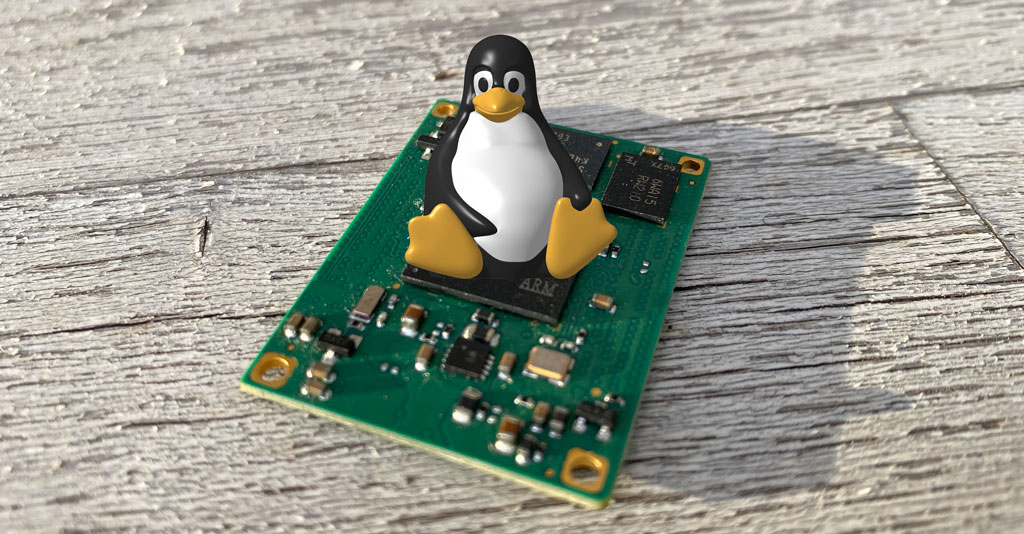
 ##Step-by-step Kernel cross-compilation procedure:
* It is advisable to have a [Debug Port Interface](/DPI) or [similar](/USB-3V-SER) during the kernel bootstrap
This article has been tested on a __Linux Ubuntu 18.04.4 PC Intel/64bit__ and on a __Raspberry Pi 4 Raspbian Buster Lite__,
##Step-by-step Kernel cross-compilation procedure:
* It is advisable to have a [Debug Port Interface](/DPI) or [similar](/USB-3V-SER) during the kernel bootstrap
This article has been tested on a __Linux Ubuntu 18.04.4 PC Intel/64bit__ and on a __Raspberry Pi 4 Raspbian Buster Lite__,
				sudo apt update
				sudo apt install bc bison libssl-dev
It is possible to use the Raspberry Pi native gcc compiler so remove:
CROSS_COMPILE=arm-linux-gnueabihf-
from the command provided below
defconfig contains your configuration. You could rename and copy it in arch/arm/configs/
cp defconfig arch/arm/configs/my_defconfig
### Generate the Device Tree Blob file (.dtb)
Now compile the device tree file requested by your board by selecting one of the following commands:
make ARCH=arm CROSS_COMPILE=arm-linux-gnueabihf- acme-roadrunner.dtb
### Compile the Kernel image
Compile the Linux Kernel sources and generate the binary compressed
image file to save in the first partition of microSD card.
make -j8 ARCH=arm CROSS_COMPILE=arm-linux-gnueabihf- zImage
...
Image arch/arm/boot/zImage is ready
### Compile the Kernel modules
The image generated contains the Linux Kernel and all the built-in
device drivers (option [*] in menuconfig) compiled with it.
Al the drivers compiled as external modules (option [M] in menuconfig)
need to be compiled and saved in the rootfs /lib directory on the second
partition of the microSD. We didn't use any [M] flag in our defconfig so this procedure
is not requested but. in case you add something. these are the commands to use
to compile them:
make modules -j8 ARCH=arm CROSS_COMPILE=arm-linux-gnueabihf-
make modules_install INSTALL_MOD_PATH=./modules ARCH=arm
### Copy the boot files into the first microSD partition
Insert a [formatted microSD](/microsd_format) with the boot loader ([at91bootstrap](/at91bootstrap))
and the rootfs contents already created in your Linux PC and copy on it these files:
Write the Linux Kernel image (zImage) and the device tree blob (acme-roadrunner.dtb)
inside the first microSD partition:
sudo cp arch/arm/boot/dts/acme-roadrunner.dtb /media/$USER/boot
sudo cp arch/arm/boot/zImage /media/$USER/boot
Write the Linux Kernel modules inside the second microSD partition:
sudo rsync -avc modules/lib/. /media/$USER/rootfs/lib/.
### After the first boot
At the first access to the board command line update the module dependencies by typing this command:
depmod -a
## Links
* [The Linux Kernel Archives](https://www.kernel.org)
* [Linux versions changelog](https://kernelnewbies.org/LinuxVersions)
## Usefull command
If you want to create a patch with the changes you have made on the vanilla Linux kernel
use these commands:
git checkout acme
git diff master > acme.patch
To revert a patch applied type:
patch -p1 -R < ../acme.patch